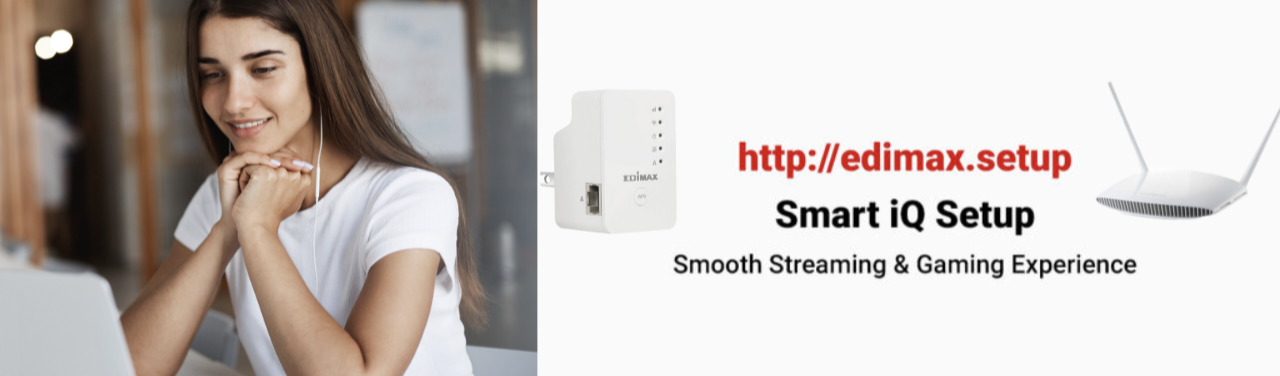
Understanding the difference between Edimax router and extender
A reliable home network often depends on two different types of equipment: a router that manages the network and an extender that improves wireless coverage. Although both devices can broadcast an Edimax Wi-Fi network, they perform different jobs and should be installed in different locations.
The router is usually the central connection point between your internet service and every device in the home. It assigns local IP addresses, directs network traffic, applies security settings, and may provide wired Ethernet ports. An extender works farther away from the main router. Its purpose is to receive an existing wireless signal and retransmit it into an area where coverage is weak.
Understanding the difference between Edimax router and extender makes setup easier and helps prevent common problems. Selecting the correct operating mode, placing each device properly, and using the right configuration page can make a significant difference to speed, stability, and range.
The router manages the network
An Edimax router connects to the modem or another internet source through its WAN or Internet port. After that connection is established, the router creates the local network used by phones, computers, televisions, cameras, printers, and smart-home equipment. It normally provides DHCP services, which automatically give connected devices their local network addresses.
The router also controls essential network functions. These may include firewall protection, wireless encryption, guest networking, parental controls, port forwarding, firmware updates, and quality-of-service settings. In a typical home, the router is the device that decides how traffic moves between the internet and local devices.
During installation, users commonly open the Edimax setup page through a browser. The exact address depends on the model and current network configuration, but a default IP address printed in the manual or on the device label may provide access. A computer connected by Ethernet is often the most dependable choice for the first configuration because it avoids wireless interruptions.
A router can also operate in access-point mode when another device already performs routing duties. In this arrangement, the Edimax unit supplies wireless access and possibly additional Ethernet connections, while the primary router continues handling DHCP, NAT, and internet management.
The extender expands wireless coverage
An Edimax Wi-Fi extender, sometimes called a repeater or range extender, is designed to address coverage gaps. It connects wirelessly to the existing router and rebroadcasts the signal under the same or a separate network name, depending on the configuration. It does not usually replace the main router or create an independent internet connection.
The extender must be positioned where it can still receive a reasonably strong signal from the router. Placing it inside a dead zone may seem logical, but the device may have too little signal to repeat effectively. A location between the router and the weak area is generally more useful, especially when the extender’s indicator lights show a healthy connection.
Many Edimax extenders support WPS installation. Pressing the WPS button on the router and then on the extender can allow the devices to exchange wireless security details automatically. Browser-based installation is another option and can be preferable when WPS is disabled, unavailable, or difficult to use. The setup process may ask for the existing Wi-Fi name, password, security type, and preferred extended network name.
An extender adds a wireless hop. Data may travel from a client device to the extender and then from the extender to the router, which can reduce throughput compared with a device connected directly to the router. It can still provide a valuable improvement when the alternative is an unreliable or unusable signal.
Key differences at a glance
The most important distinction is responsibility. A router builds and manages the network, while an extender enlarges the reach of a network that already exists. Treating an extender like a router can lead to incorrect cabling, duplicate network services, or confusing login and connectivity issues.
The following comparison shows how the two devices differ in common home-network situations.
| Feature | Edimax router | Edimax extender |
|---|---|---|
| Main purpose | Creates and manages the local network | Extends an existing wireless network |
| Internet connection | Usually connects directly to a modem or gateway | Usually connects wirelessly to the router |
| IP address management | Commonly provides DHCP and local addressing | Usually receives an address from the main router |
| Typical placement | Near the modem and central to the home | Between the router and a weak-coverage area |
| Wired ports | May connect computers, switches, and other devices | May provide a wired connection for a nearby device |
| Wireless coverage | Establishes the primary Wi-Fi area | Adds coverage beyond the router’s normal range |
| Configuration methods | Browser setup page, default IP, or mobile utility | WPS or browser-based extender configuration |
| Best operating mode | Router mode or access-point mode | Repeater, range-extender, or similar mode |
| Effect on performance | Usually provides the primary wireless throughput | May reduce speed because traffic is relayed wirelessly |
The distinction also affects network names and passwords. An extender can clone the router’s wireless settings, allowing devices to move between coverage areas with less manual selection. Alternatively, a separate name can make it obvious when a device is connected through the extender. The better choice depends on the household’s roaming needs and the extender’s capabilities.
Choosing router mode or access-point mode
Router mode is appropriate when the Edimax device is directly connected to the internet source and needs to manage the entire local network. In this mode, its WAN connection, DHCP service, NAT functions, firewall, and wireless settings operate together. Most households with a single primary router use this arrangement.
Access-point mode is useful when the internet gateway or another router already provides network management. The Edimax unit is then connected to the existing network, often through an Ethernet cable, and supplies Wi-Fi in another location. Access-point mode can provide stronger and more consistent performance than wireless repeating because the connection between network devices uses a cable.
Using router mode behind another active router can create double NAT. Some basic browsing may continue to work, but online gaming, remote access, device discovery, VPN services, and port forwarding can become more complicated. It may also result in two separate DHCP services competing to assign addresses. Access-point mode normally avoids those conflicts.
Before changing modes, check how the Edimax model labels its ports and menu options. Some devices use a dedicated access-point setting, while others require a manual connection from a LAN port and a change to the DHCP configuration. Save the current settings when possible, and reconnect to the correct management address after the operating mode changes.
Installation and placement affect performance
A router should be placed in an open, reasonably central location whenever possible. Cabinets, thick walls, large appliances, metal surfaces, and floor-level positions can weaken wireless coverage. Keeping the antennas in their recommended orientation and avoiding unnecessary obstructions can improve signal distribution across multiple rooms.
The extender should be installed after identifying the actual coverage problem. A phone or laptop can help locate a position where the router’s signal is still usable but the target room is closer. The extender should not be placed next to the router because that adds little coverage, and it should not be placed at the farthest edge of the dead zone because the connection back to the router may be unstable.
After installation, test both speed and reliability. A strong signal indicator does not always guarantee high throughput, particularly when many networks use the same wireless channel. Check performance in the rooms that matter most, then move the extender a short distance if necessary. A small change in location can improve the link between the router and extender.
Wired connections deserve attention as well. If an Edimax extender includes an Ethernet port, a nearby television, desktop computer, or game console may perform better when connected by cable to the extender. The extender still uses Wi-Fi for its link to the router, but the local device avoids an additional wireless connection.
Troubleshooting common connection problems
Limited connectivity can originate from the router, extender, client device, cabling, or internet service. Start by checking whether the issue affects every device or only one. If all devices lose access, inspect the modem, WAN cable, router status lights, and internet service. If only the extended network is affected, examine the extender’s position and its connection to the main Wi-Fi network.
Incorrect credentials are another frequent cause. The extender may have stored an old wireless password, selected the wrong network, or been configured with an incompatible security option. Repeating the WPS process or opening the extender’s browser interface to enter the current Wi-Fi details can resolve the problem. A factory reset may be necessary if the device is still tied to an earlier router.
When an Edimax router appears connected but devices report limited access, use this limited connectivity guide to review address assignment, cable checks, wireless settings, and restart procedures. Restarting the modem, router, and extender in the correct order can also refresh stale connections, although it should not replace checking the underlying settings.
Firmware and channel conditions can affect stability. Install firmware only from a trustworthy Edimax source and use the version intended for the exact model and hardware revision. If neighboring networks cause interference, selecting a less congested channel or allowing the router to choose automatically may help. Keep in mind that a firmware update can restore defaults, so record important settings beforehand.
Practical setup recommendations
The best device choice depends on the problem being solved. If there is no functioning local network, begin with the router. If the network works well near the router but becomes weak in another room, an extender may be sufficient. If Ethernet cable can reach the remote location, an Edimax access point is often a stronger long-term option than a wireless repeater.
Use these recommendations when planning or reviewing an Edimax installation:
- Connect the router to the modem or gateway before configuring additional wireless equipment.
- Use router mode only when the Edimax unit should manage DHCP, NAT, firewall, and internet access.
- Choose access-point mode when another router already controls the local network.
- Place an extender where it receives a healthy signal from the router, rather than inside the dead zone.
- Change the wireless password and administrator credentials from their defaults, then keep firmware and security settings current.
A single router may be enough for a small apartment or open floor plan. Larger homes with thick walls may benefit from an access point connected by Ethernet, a carefully positioned extender, or a coordinated mesh system if the Edimax model supports that approach. Adding several repeaters without planning can create overlapping signals and reduce available bandwidth.
It is also helpful to document the installation. Record the router’s management address, extender mode, network names, and the location of each device. This information makes future troubleshooting faster, especially after an internet-provider equipment change or a wireless-password update.
Build a more dependable Edimax network
A router and an extender complement each other, but they are not interchangeable. The router establishes the network’s rules and connection to the internet; the extender carries that network farther into the home. Once that distinction is clear, mode selection, browser-based setup, WPS installation, and device placement become much easier to manage.
Review your current coverage, identify whether the problem is network management or wireless range, and configure the Edimax device for that specific role. Then test the connection from the rooms where performance matters most, adjust placement if needed, and keep the setup details available for future maintenance.