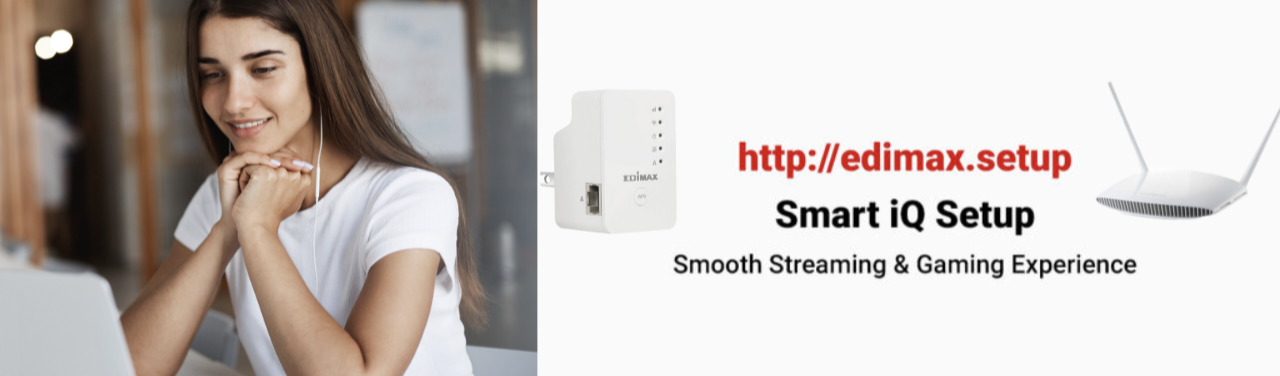
Understanding Edimax access point and router modes
Choosing the correct operating mode is one of the most important steps when setting up an Edimax router, wireless access point, or Wi-Fi extender. The same hardware may support several network roles, but each role changes how devices receive IP addresses, how traffic moves, and which settings control the connection.
Router mode is designed to create and manage a complete local network. Access point mode is intended to extend an existing network by providing wireless or wired access without creating a second independent network. Selecting the wrong option can cause double NAT, conflicting DHCP servers, unreachable devices, or difficulty opening the Edimax setup page later.
The best choice depends on the equipment already installed in the home or office. If an internet service provider modem or gateway already performs routing, an Edimax device will often work better as an access point. If the Edimax unit connects directly to a modem and must manage the network, router mode is usually appropriate.
What router mode does
In router mode, the Edimax device acts as the central controller between the internet connection and the local network. Its WAN or Internet port connects to a modem, fiber terminal, or upstream gateway, while its LAN ports and wireless radios serve computers, phones, smart home products, and other clients.
The router normally receives a public or private address on its WAN side and creates a separate local subnet on the LAN side. It commonly provides DHCP service, assigning local IP addresses automatically. It also performs Network Address Translation, often called NAT, so multiple devices can share one internet connection.
Router mode usually includes security and traffic-management features such as a firewall, port forwarding, parental controls, guest networking, bandwidth rules, and sometimes VPN support. These features are useful when the Edimax router is the primary gateway rather than a secondary device inside an existing network.
When using router mode, connect the incoming internet cable to the Edimax WAN or Internet port. Open the Edimax web-based setup page through the device’s management address, which may be shown in the manual, on the product label, or in the quick installation guide. Some models use a default IP address such as 192.168.2.1, but the exact address varies by model and firmware.
What access point mode changes
Access point mode turns the Edimax device into a bridge between an existing wired network and wireless clients. The upstream router continues to handle the internet connection, DHCP assignments, NAT, and most firewall functions. The Edimax unit supplies Wi-Fi coverage and may also provide additional Ethernet ports.
In this configuration, devices connected to the Edimax access point usually remain on the same subnet as devices connected directly to the primary router. A laptop connected to the Edimax wireless network can therefore communicate with a printer, media server, or smart device connected to the main router, provided client isolation or other security settings do not block that traffic.
Access point mode is often the cleanest solution for expanding coverage with an Ethernet cable. It avoids the separate subnet that router mode creates and reduces the risk of double NAT. It is especially suitable for a second floor, detached office, room with weak signal, or location where a wired network connection is available.
Management behavior can change after access point mode is enabled. The primary router may assign the Edimax device a new management IP address through DHCP. The address printed in the manual may no longer open the configuration page, so check the main router’s connected-device list or use an Edimax discovery utility if the model provides one.
How the two modes affect a home network
The key difference is responsibility. Router mode creates a network boundary and manages traffic between the internet and local devices. Access point mode extends an existing network and leaves gateway functions with the upstream router.
Consider a home with an internet provider gateway already installed. If an Edimax router is connected from the gateway to the Edimax WAN port while remaining in router mode, both devices may run NAT and DHCP. This arrangement is called double NAT. Basic browsing may still work, but online gaming, remote access, IP cameras, VPN connections, and port forwarding can become more complicated.
Using access point mode in that situation allows the provider gateway to remain the single router. The Edimax unit receives network service from the gateway and broadcasts Wi-Fi from the same local network. Roaming between wireless access points may still depend on compatible settings, but the network structure is simpler.
Router mode can still be correct when the provider device is configured as a modem or bridge, when the Edimax router must be the primary gateway, or when a separate subnet is deliberately required. For example, a small business may want a dedicated network for guests or a secondary work area. In that case, careful planning is needed so routing and firewall rules match the intended design.
| Feature | Router mode | Access point mode |
|---|---|---|
| Main purpose | Creates and manages a separate network | Extends an existing network |
| Internet connection | Uses the WAN or Internet port | Usually connects by Ethernet to the existing LAN |
| DHCP server | Edimax normally provides DHCP | Primary router normally provides DHCP |
| NAT | Performed by the Edimax device | Usually performed only by the upstream router |
| Local subnet | Creates its own subnet | Keeps clients on the existing subnet |
| Firewall role | Edimax commonly manages the boundary | Upstream router usually manages the boundary |
| Best use | Primary router or isolated secondary network | Wi-Fi expansion and wired network extension |
| Common risk | Double NAT when another router is upstream | Management IP changes after setup |
Connecting an Edimax device in router mode
Before configuring router mode, identify the cable coming from the modem, fiber terminal, or wall connection that provides the internet service. Connect it to the Edimax WAN or Internet port. Use the LAN ports for wired clients during setup, because a direct Ethernet connection can make the initial configuration more reliable than wireless setup.
Power on the Edimax device and wait for its status indicators to stabilize. Connect a computer or phone to the default wireless network or to a LAN port. Open a browser and enter the setup address listed for the specific model. If the page does not load, confirm that the client is connected to the Edimax network, disable any active cellular VPN temporarily, and check the device’s gateway address.
The setup wizard may ask for the connection type. Automatic IP or DHCP is common when the Edimax router is connected to a standard modem or upstream network. Some services require PPPoE credentials, a fixed IP address, VLAN information, or a particular DNS configuration. These values must come from the internet provider or network administrator.
Set a strong administrator password and configure the wireless network separately. Use a recognizable SSID, select WPA2-AES or WPA3 when available, and avoid obsolete security options such as WEP. After saving, allow the device to reboot, then confirm that the WAN status shows a valid address and that a connected client can browse the internet.
Setting up access point mode correctly
Access point installation generally begins with the primary router. Confirm that its internet service is working and that its DHCP server is enabled. Then connect the Edimax device to the main router with an Ethernet cable. Depending on the model, the cable may need to connect to a dedicated uplink port, or any LAN port may be acceptable after access point mode is selected.
Connect to the Edimax setup interface and choose the operating mode labeled Access Point, AP, Bridge, or a similar term. The exact wording varies between Edimax product families. Read the on-screen description carefully, because “repeater,” “universal repeater,” and “wireless bridge” perform different tasks from a wired access point.
Configure the wireless name and password. You can use the same SSID and security key as the primary router to make movement around the property more convenient, but set channels and transmit power thoughtfully to limit interference. Alternatively, use a different SSID while testing the new coverage area. A separate name makes it easier to identify which access point a client is using.
Once the settings are saved, the Edimax device may restart and obtain an address from the primary router. The old default IP address may stop responding. Find the new address in the primary router’s client list, then reserve that address for the Edimax unit if the router supports DHCP reservations. A fixed management address can simplify future maintenance, but it must remain within the correct subnet and outside the DHCP pool if configured manually.
Extenders, WPS, and browser-based setup
Some Edimax Wi-Fi extenders offer WPS installation, which can be useful when the primary router supports WPS and is close enough for a stable initial connection. Press WPS on the router, then press WPS on the extender according to the product instructions. The devices exchange wireless credentials, and the extender may copy the existing SSID or create a related extended network name.
WPS is convenient, but it does not provide the same level of control as browser-based configuration. A web setup wizard lets you choose the exact wireless network, enter its password, select an operating mode, and review signal strength. It is generally preferable when the router has several nearby networks, when the preferred SSID is hidden, or when the extender needs a customized name.
An extender that connects wirelessly to the router is different from an access point connected by Ethernet. The extender uses part of its wireless capacity to communicate with the upstream router, so placement matters. Install it where the original signal is still reasonably strong, rather than in the dead zone itself. A wired access point usually delivers more consistent performance when cabling is practical.
After installation, test the connection from the intended coverage area. Check download speed, latency, and stability at different times. If the extender repeatedly disconnects, move it closer to the primary router, reduce interference, update the firmware, or consider an Ethernet-connected access point instead.
Practical checks before you save settings
A few checks can prevent many configuration problems. Record the existing router’s LAN address, DHCP range, wireless security type, and current cable arrangement before changing modes. If the Edimax unit has been used previously, reset it to factory defaults when old settings may conflict with the new installation.
Use these recommendations during setup:
- Choose router mode when the Edimax device must be the primary gateway or create a separate subnet.
- Choose access point mode when another router already manages internet access, DHCP, NAT, and firewall functions.
- Connect an access point to the existing LAN with Ethernet whenever possible for better throughput and stability.
- Give the Edimax device a known management address or reserve its DHCP lease after it joins the network.
- Test wired and wireless clients after saving settings, including access to local printers, shared folders, and the internet.
Also check for overlapping DHCP services. Only the intended primary router should normally assign addresses in an access point arrangement. If clients receive inconsistent gateway addresses or lose access after a reboot, inspect the network settings on both devices and make sure the Edimax unit is not still operating as a second router.
Troubleshooting common mode-related problems
If the Edimax setup page will not open, first identify which device the client is connected to. A phone connected to the main router’s Wi-Fi may not be able to reach an Edimax device that is still using its temporary setup network. Connect directly to the Edimax unit, inspect the client’s default gateway, and try the current management IP rather than relying only on the factory address.
No internet access in router mode can result from a wrong WAN connection type, an incorrectly connected cable, missing PPPoE credentials, or a modem that needs to be restarted after the new router is attached. In access point mode, the usual causes are a faulty Ethernet cable, an incorrect uplink connection, disabled DHCP on the primary router, or an Edimax address that conflicts with another device.
A client may connect to Wi-Fi while showing “no internet” if the Edimax device has a strong wireless signal but no usable path upstream. Check the primary router, the Ethernet link indicators, and the IP address assigned to the client. An address beginning with 169.254 usually indicates that DHCP failed.
Firmware updates can resolve compatibility and stability problems, but install them only after identifying the exact Edimax model and hardware revision. Save configuration details first, use a reliable wired connection where possible, and avoid powering off the device during the update. Once the network is stable, label the cables and record the final operating mode and management address for future reference.
Select the mode that matches the network’s actual design, then configure the Edimax device through its setup page and verify the result from several locations. When the Edimax unit is meant to extend an existing connection, access point mode usually produces the simplest network. When it must control the internet connection and local addressing, router mode provides the necessary functions.
Use the device label, model-specific manual, and status pages to confirm the correct default IP address, port arrangement, wireless settings, and supported features. A careful setup now makes later troubleshooting easier and helps every connected device receive the right network service.