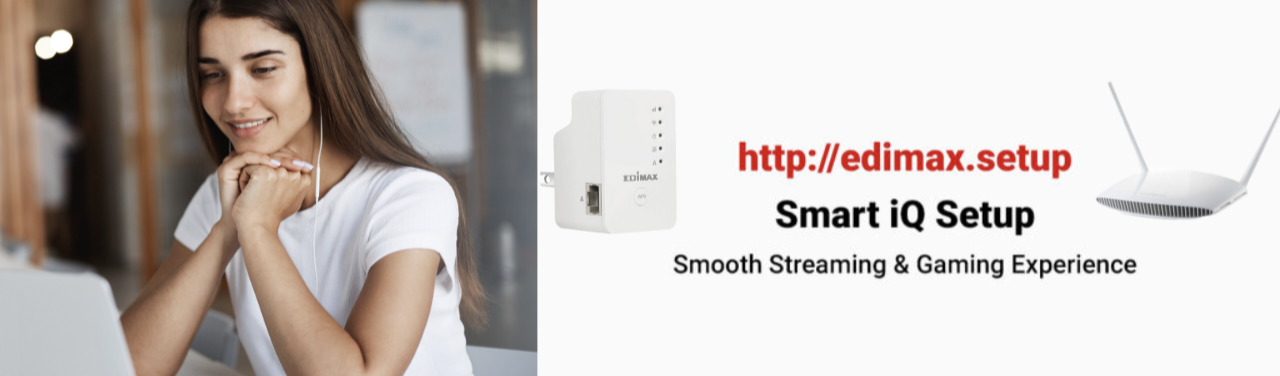
Troubleshooting An Edimax Extender WPS Button Not Working
Wi-Fi Protected Setup can make an Edimax extender installation quick: press WPS on the main router, press WPS on the extender, and wait for the connection indicator to become steady. When nothing happens, the cause may be a timing issue, incorrect button sequence, weak signal, unsupported security mode, or a hardware problem.
The WPS button may also perform different functions depending on the model. A brief press can start pairing, while holding the same button for several seconds may begin a factory reset. Some extenders have separate power, WPS, and reset controls, whereas others combine functions into one button.
Before changing advanced settings, check the power light, read the label around the button, and place the extender close to the router. A short, controlled test often identifies the problem without erasing an installation that is already partly configured.
Check Power, Distance, And Timing
Confirm that the extender has fully started before attempting WPS. The power LED should remain stable rather than blinking continuously. Startup can take a minute or more after the device is plugged in. If the light never becomes steady, try another wall outlet and disconnect nearby USB chargers, power strips, or adapters that may be faulty.
For initial pairing, place the Edimax extender within a few feet of the router. A location that is suitable for normal coverage may be too far away for the first WPS exchange. The extender needs to receive a strong wireless signal while it copies the router’s network information. Move it closer temporarily, complete setup, and then relocate it to a position between the router and the weak-signal area.
Press the router’s WPS button first, then press the extender’s WPS button within the period specified by the manual, commonly two minutes. Use a short press unless the instructions call for a longer hold. Watch the wireless or WPS indicator for a change. If the router’s WPS light does not activate, the router may not have entered pairing mode, so repeat the sequence after waiting for the first attempt to time out.
Confirm WPS Is Enabled And Compatible
Some routers disable WPS in their wireless settings, especially after a security change or firmware update. Sign in to the router’s administration page and look for WPS, Wi-Fi Protected Setup, or Push Button Configuration. Enable the push-button method if it is available, then save the change and restart the router before trying the extender again.
Wireless security can also prevent automatic pairing. WPS is commonly associated with WPA2-Personal, while some newer routers use WPA3-only protection. If the router is configured for WPA3-only mode, the WPS function may be unavailable or ignored. A temporary WPA2/WPA3 mixed mode can help test compatibility, but the final security setting should follow the router and extender documentation.
Band selection is another frequent cause of an apparently inactive WPS process. Many older Edimax extenders support 2.4 GHz more reliably than 5 GHz, and some models require separate WPS sessions for each band. If the router has one combined network name for both frequencies, temporarily give the bands distinct names or turn off one band during setup. This makes it easier to identify which network the extender is joining.
Check that the router is broadcasting its network name and is not using unusual restrictions such as MAC filtering, client isolation, or an access-control list. A hidden SSID may still work with manual configuration, but it can complicate WPS discovery. Disable restrictive controls for testing and restore them after the extender has connected successfully.
Restart And Reset The Extender Carefully
A clean restart can clear a stalled WPS process. Turn off the router and extender, wait about 30 seconds, and power on the router first. Allow it to complete its startup and provide internet access, then power on the extender. Wait until its power indicator is stable before starting another pairing attempt.
If several WPS attempts have failed, reset the extender to its factory state. Locate the reset opening or reset button and follow the model’s instructions precisely. A pin may be required for a recessed button. Hold it only for the recommended period, usually until the LED changes or begins flashing. Releasing it too early may do nothing, while holding it too long can produce an unexpected restart.
A reset removes the saved wireless name, password, operating mode, and any manually assigned settings. After resetting, allow the extender to boot fully before pressing WPS. Do not unplug it while the indicators are changing, since interrupted initialization can leave the device in an incomplete state.
The button itself may be difficult to operate if the casing is tight or the switch is recessed. Use a fingertip or a suitable nonmetallic tool, apply gentle pressure, and avoid forcing it. If the button feels loose, remains depressed, or produces no LED response after a reset, the issue may be physical rather than a configuration error.
Use Browser Setup When WPS Fails
Manual setup is the most dependable alternative when the Edimax extender’s WPS function will not start. Connect a phone or computer to the extender’s temporary Wi-Fi network, or use an Ethernet cable if the model provides a network port. Open a browser and enter the setup address listed on the device label or in the manual. Depending on the model, this may be a local hostname or a default IP address.
The Edimax setup guide can help locate the correct access method and explain how to select extender, access-point, or router mode. Choose the operating mode that matches the intended installation. Extender mode repeats an existing wireless network, while access-point mode normally uses an Ethernet connection from the main router and creates wireless coverage from that wired link.
During the scan, select the router’s exact SSID and enter its wireless password carefully. Passwords are case-sensitive, and a single extra space can prevent the connection. If the router uses separate 2.4 GHz and 5 GHz names, choose the band that both devices support. Give the extended network a recognizable name if the interface allows it, then save the settings and wait for the extender to restart.
After configuration, reconnect the phone or computer to the extended network. Check the extender’s status page for an uplink or “connected to router” message. A device can show strong signal bars while still lacking an upstream connection, so verify that a web page loads before moving the extender to its final location.
Compare The Available Setup Paths
WPS is convenient when both devices support the same push-button process and use compatible security settings. Manual browser setup takes longer but exposes the network scan, password field, IP information, and operating mode. An Ethernet-based access point can be even more stable when the building has thick walls or heavy wireless interference.
The following comparison helps identify which method fits the symptoms shown by the LEDs and router settings:
| Setup method | What it requires | Best use | Common limitation |
|---|---|---|---|
| WPS push button | WPS enabled on both devices and close placement | Fast first-time pairing | Fails with incompatible security or disabled WPS |
| Browser-based extender mode | Temporary connection to the Edimax interface | Precise SSID and password selection | Requires the correct local address and credentials |
| Ethernet access-point mode | Network cable from router to extender | Stable coverage and crowded wireless areas | The extender must remain connected by cable |
| Factory reset followed by setup | Access to the reset control and setup details | Clearing incorrect saved settings | Erases existing configuration |
| Router administration changes | Access to wireless and security settings | Enabling WPS or correcting compatibility | Changes may affect every connected device |
Avoid repeating WPS indefinitely without changing a condition. Each attempt should test one adjustment, such as moving the extender closer, enabling WPS, switching to WPA2-compatible security, or restarting both devices. This makes the result easier to interpret.
Fix Wireless Compatibility Problems
Firmware can affect WPS behavior, wireless band support, and the device’s setup interface. Check the model number and hardware revision before downloading an update. Installing firmware intended for another Edimax model can make the extender unusable. If the web interface is accessible, record the current settings and follow the manufacturer’s update instructions without interrupting power.
Older extenders may not support modern channel arrangements or certain router features. If the router is set to an unusual 5 GHz channel, wide channel width, WPA3-only security, or a restricted regional setting, try a more broadly compatible configuration. For testing, use a visible 2.4 GHz SSID, WPA2-Personal security, and a standard channel selected automatically or set to a common non-overlapping channel.
Wireless interference may make pairing appear unsuccessful even when the buttons work. Keep the extender away from cordless phone bases, microwave ovens, Bluetooth hubs, metal cabinets, and thick concrete surfaces. During setup, turn off nearby devices that create heavy traffic and keep the router and extender in the same open room.
If the extender connects but provides no internet access, check the router’s client list and the extender’s status page. Confirm that the router has assigned an IP address and that the extender is not accidentally configured in access-point mode without a cable. Also check whether the router has reached its maximum device limit or is blocking the extender through access control.
Recognize A Possible Hardware Fault
A working WPS attempt usually produces some visible response: a blinking wireless LED, a WPS indicator, a router notification, or a change in the extender’s status. No response from either device after several controlled attempts suggests that WPS may be disabled, the button may be damaged, or the hardware may not support the expected pairing method.
Test the router’s WPS button with another compatible wireless device if possible. If the router cannot start WPS with any device, troubleshoot the router setting or button first. If other devices pair successfully but the Edimax extender does not react, focus on the extender’s firmware, reset state, band compatibility, and physical button.
A damaged power adapter can produce symptoms that resemble a failed WPS button. The extender may light up but restart whenever wireless activity begins. Use the original adapter or a replacement with identical voltage, polarity, and suitable current rating. Never substitute an adapter based only on the connector size.
When browser setup also fails, connect by Ethernet if available and try the local administration page. If the interface cannot be reached after a correct reset, the power light is abnormal, or the button remains mechanically stuck, document the model, LED behavior, and steps already attempted. That information will make repair or replacement assessment more efficient.
Keep The New Connection Stable
Once the extender pairs successfully, place it where it still receives a reliable signal from the router. The ideal location is usually halfway between the router and the coverage gap, not inside the dead zone. An extender cannot improve a signal that it cannot receive. Use its signal indicator or status page to compare several nearby outlets.
Keep the extended network name and password consistent with the settings selected during setup. If the extender uses the same SSID as the router, devices may roam between access points more naturally, but some older clients may hold onto a weak connection. A separate extended-network name makes testing and troubleshooting easier.
Write down the extender’s management address, operating mode, wireless band, and firmware version. Store the information securely with the router details. If the WPS button is used again later, remember that a long press may reset the device instead of beginning a new pairing session.
Use these practices for a reliable installation:
- Pair the extender close to the router before moving it to another room.
- Enable compatible WPS and security settings on both devices before pressing either button.
- Prefer manual browser configuration when WPS gives no LED or router response.
- Keep firmware, router channels, and wireless security settings compatible with the extender.
- Reset only after recording important settings and confirming the correct reset procedure.
A failed WPS button does not always mean the Edimax extender is defective. Power, placement, timing, router security, wireless bands, and saved configuration can all interrupt the exchange. Work through those variables methodically, then use browser-based setup or access-point mode when push-button pairing remains unavailable.
For persistent faults, gather the exact model number, LED pattern, firmware version, router security mode, and result of the manual setup attempt. Use that record while checking the appropriate Edimax documentation or arranging device service. Once the extender is configured and placed within reliable range, verify internet access in the weak-signal area and keep the final settings documented for future maintenance.