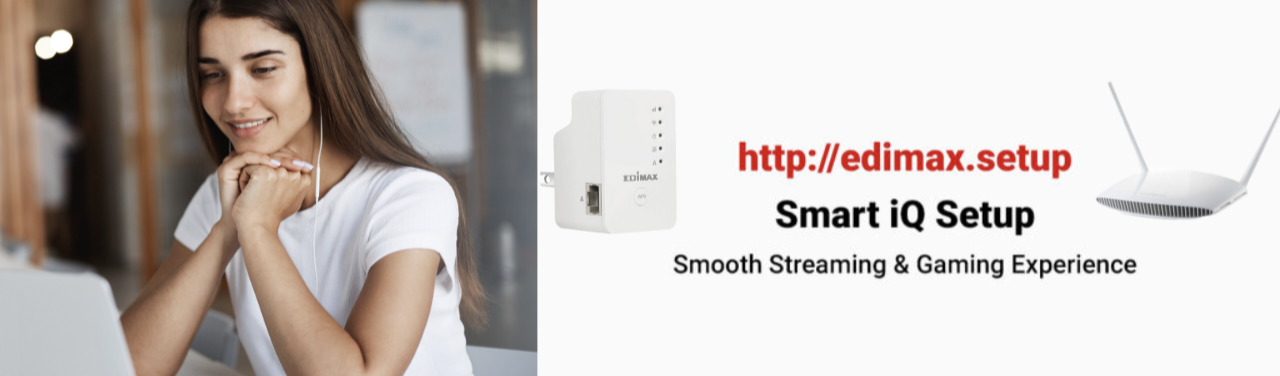
Fixing an Edimax Extender With No Lights at Startup
An Edimax Wi-Fi extender normally shows at least one status light shortly after it is connected to power. Depending on the model, the LEDs may indicate power, wireless signal strength, Ethernet activity, WPS status, or the selected operating mode. If every light remains dark, the problem may be as simple as a switched-off outlet, a loose plug, or a disabled LED setting, but it can also indicate a failed power supply or internal hardware fault.
Start with the power path before changing network settings. An extender cannot broadcast a setup network, respond to its default IP address, or complete WPS pairing while it is not receiving stable power. The checks below apply to common Edimax range extenders used in homes, apartments, small offices, and holiday properties across Australia.
Check The Power Path First
Disconnect the extender from the wall and inspect the plug, pins, cable, and casing for damage. If your model uses a separate power adaptor, check both ends: the adaptor should sit firmly in the wall outlet and its DC connector should be fully inserted into the extender. Some Edimax units plug directly into a socket, while others use a low-voltage adaptor, so avoid substituting a random charger or router power brick.
Test the same socket with a lamp or phone charger that you know works. Australian homes commonly have switched wall outlets, and the switch can be difficult to notice behind furniture or near a skirting board. Turn the socket on, then try a second outlet in the same room. If the extender is connected through a power board, double adaptor, surge protector, or smart plug, remove those from the test and connect it directly to the wall.
Power quality can also vary in practical ways. A loose outlet, an overloaded power board, or a tripped safety switch may interrupt supply without making the extender appear visibly damaged. In regional areas or during storms around Brisbane, Cairns, or Darwin, brief power events can affect small network adapters. Unplug the extender for at least 60 seconds, reconnect it directly to a known-good outlet, and allow two minutes for the startup sequence.
If the power adaptor becomes unusually hot, makes a buzzing sound, smells burnt, or shows melted plastic, stop using it. Do not open the casing or attempt to repair mains equipment. Record the model number and adaptor output printed on the label, as this information will be useful when checking an Australian warranty or contacting the retailer.
Allow Time For A Normal Startup
Some Edimax extenders do not illuminate every LED immediately. A power light may appear first, followed by wireless or signal indicators while the firmware loads. Give the device two or three minutes after reconnection before deciding that it is completely inactive. Pressing buttons repeatedly during this period can interrupt WPS or reset operations and make the startup process harder to interpret.
Look closely at the front panel in a dim room. Certain indicators are small, low brightness, or located behind a smoked plastic window. Check from different angles rather than relying on a phone camera, which can sometimes make a faint light appear black. The light may also be labelled Power, PWR, Status, or represented by a small circle with a line through it.
Consult the model-specific guide at the Edimax setup resource to identify the expected LED sequence and button locations. An extender designed for a standard Australian power socket may have a different layout from a compact travel or dual-band model. The guide can also clarify whether pressing a button briefly changes the mode, starts WPS, or performs a factory reset.
A dark wireless LED alone does not always mean failure. Some devices show the wireless indicator only after an SSID has been configured or a connection to the main router has been established. The important distinction is whether the power or status indicator appears at all. If the unit has one light that turns on but no signal bars, continue with configuration checks. If absolutely nothing lights up after a direct power test, focus on hardware and firmware symptoms instead.
Rule Out A Disabled Or Stuck Indicator
A few network devices allow LED control through their administration page. If the extender was previously working and all indicators suddenly disappeared after configuration, its lights may have been disabled. Connect a laptop or phone to the extender’s Wi-Fi network, or connect a computer to its Ethernet port if the model provides one. Then open the Edimax setup address listed on the device label or in the manual.
The exact address can vary by model and network mode. An extender may use a default address during initial setup, then receive a different local address from the main router after joining the home network. If the page does not open, check the router’s connected-device list for an Edimax entry. A scan should be performed only on your own network, and security software or browser warnings should not be ignored if the page appears unfamiliar.
If the administration page loads, inspect wireless, system, LED, or maintenance settings. Look for an option such as LED control, indicator schedule, night mode, or status light. Save any change, reboot the unit from the software menu, and observe the startup sequence again. Avoid changing unrelated settings while diagnosing the power issue, particularly if the extender supports router, access-point, and repeater modes.
A frozen device can sometimes recover with a controlled reset. Hold the reset button for the period specified in the manual, often around 10 seconds, while the unit is powered. Use a straightened paperclip gently and do not force it into a ventilation hole. Resetting erases the SSID, wireless password, WPS relationship, and operating mode, so it should be treated as a later troubleshooting step rather than the first response to a dark panel.
Test WPS And Network Behaviour
If the power light remains on, test whether the extender is functioning even if the other LEDs are not. Place it within a few metres of the main router, press WPS on the router, and then press the Edimax WPS button according to the model instructions. Wait several minutes for the pairing process. WPS can fail when the router has band steering, guest isolation, or security settings that the older extender does not support, so a failed pairing does not prove that the extender has no power.
A browser-based setup can provide a clearer test. Connect a phone or laptop to the temporary Edimax network shown in the manual, then access the setup page and select the desired wireless network. If the device appears in the Wi-Fi list but its front panel is dark, the LED assembly or its settings may be faulty while the radio and processor still work. If it cannot create a network, does not appear over Ethernet, and has no lights, suspicion should shift toward the power circuit or firmware.
Australian wireless conditions can complicate diagnosis. In a dense Sydney or Melbourne apartment, nearby networks may crowd the 2.4 GHz band, while thick brick walls, foil-backed insulation, and metal appliances can weaken the link between rooms. A long single-storey home outside Adelaide or Perth may need the extender positioned halfway between the router and the weak area rather than at the far end. These placement issues affect signal LEDs, but they do not normally extinguish a genuine power indicator.
After setup, place the extender in an open location at roughly chest height, away from a microwave, cordless phone base, television, and large metal objects. Test the connection from the room where coverage is needed, rather than judging success beside the router. If the extender works but the LEDs remain dark, document that behaviour and check whether the firmware includes an indicator-control option before replacing the unit.
Decide Whether Hardware Has Failed
A completely unlit extender after a verified outlet test is often experiencing a hardware problem. Possible causes include a failed external adaptor, a damaged socket connection, a blown internal component, or corrosion caused by moisture. Devices used in garages, enclosed verandas, caravans, or coastal locations near Newcastle or the Gold Coast can be exposed to dust, condensation, salt air, and temperature changes that shorten electronic component life.
Compare the adaptor specifications with the product label if the adaptor is replaceable. Voltage must match exactly, while the current rating should meet or exceed the original requirement; the connector polarity and physical size must also be correct. Never use an adaptor simply because its plug fits. If there is any uncertainty, obtain the correct replacement from the manufacturer or an established Australian electronics retailer rather than relying on an unverified marketplace listing.
Firmware recovery is relevant only when the unit shows some sign of life, such as a power light, a detectable Ethernet link, or a temporary wireless network. Do not interrupt a firmware update, and do not install software intended for a similar-looking model. A failed firmware flash can leave the extender unusable, while firmware cannot repair a dead power circuit.
Practical Checks Before Replacement
- Confirm the wall switch is on and test the outlet with a working appliance.
- Connect the extender directly to the wall instead of using a power board or smart plug.
- Inspect the adaptor label, cable, connector, and casing for damage or overheating.
- Wait several minutes, then check for faint LEDs in a darker room.
- Try Ethernet or a temporary Edimax Wi-Fi network to identify hidden operation.
- Perform a documented factory reset only after recording the current network settings.
- Keep the receipt, model number, serial number, and photos ready for warranty support.
When the device remains entirely dark with a known-good compatible adaptor, stop repeated reset attempts. Continuing to cycle power is unlikely to revive a failed component and may make a warranty assessment more difficult. Australian Consumer Law may provide remedies through the seller when a product is not of acceptable quality, while manufacturer warranty terms can offer an additional support path. Keep proof of purchase from the retailer, whether it came from a local computer shop, a national chain, or an online Australian seller.
An extender that has suffered a surge may fail without visible marks. If the problem began after a storm, a circuit trip, or work on household wiring, consider having the outlet checked by a licensed electrician. Do not test mains voltage yourself or dismantle the adaptor. For a device still within its coverage period, contact the seller before buying parts or opening the casing.
The most efficient next step is to connect the Edimax extender directly to a confirmed working Australian wall outlet with its original adaptor, wait three minutes, and record whether any LED, Wi-Fi network, or Ethernet link appears.