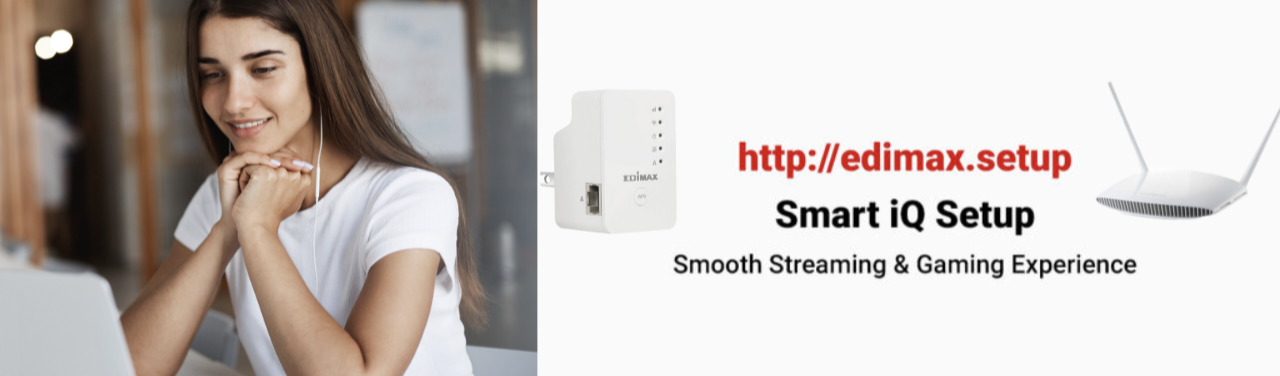
Setting Up an Edimax Extender with a Hidden SSID Network
Many households across Sydney, Melbourne, and Brisbane choose to suppress the broadcast of their wireless network name to limit casual visibility from neighbouring properties and passing devices. When the primary router no longer reaches the back of the home or the downstairs study, an Edimax range extender is a cost-effective way to push coverage into those forgotten corners without replacing the existing modem. The challenge appears when the source router is configured to hide its identifier, since most plug-and-pair routines assume the network is openly listed in a scan list.
This guide focuses on Edimax extenders working with hidden Service Set Identifiers on typical Australian fibre, cable, and NBN connections. It covers the browser-based configuration path rather than the one-touch WPS shortcut, because WPS pairing is generally unavailable when the SSID is suppressed. The instructions assume a standard Edimax EW-7438 or similar model accessed through its default gateway address.
Whether you are running a Telstra Smart Modem, an Optus Nokia gateway, or an aftermarket router flashed with Aussie Broadband credentials, the extender behaves the same once it knows the name and security key of the upstream wireless source. The steps below walk through the full sequence, from the initial power-up to the final placement check inside the home.
Before beginning, gather the exact SSID string, the encryption type (WPA2 is most common in Australian homes), and the wireless password. These details are usually printed on the underside of the main router or stored in the My Account portal of your internet provider.
Why Hide an SSID on Your Home Network in Australia
Suppressing the broadcast of a wireless network name does not make the connection invisible in any forensic sense, but it does remove the network from the casual scan list shown to phones, tablets, and smart TVs owned by visitors. In suburban streets where four or five Wi-Fi signals overlap on each channel, hiding the identifier is often chosen as a low-effort privacy measure rather than a true security barrier.
Australian households using NBN Fibre to the Premises or HFC connections frequently receive a modem-router combination supplied by their retail service provider. These gateways ship with broadcasting enabled by default, and many users never change the setting. A smaller group, often more technically confident, disable the SSID broadcast after reading forum posts about neighbour interference or unwanted device connections.
The approach is also popular in inner-city apartments across Surry Hills, Fitzroy, and Fortitude Valley, where dozens of competing networks are visible from any given unit. Hiding the SSID reduces clutter on the connection screen and limits accidental joins from guests who bring their own devices. It also helps when configuring smart home gear that stores a single preferred network, since fewer competing signals appear during the initial pairing phase.
From a legal and regulatory standpoint, hiding an SSID does not conflict with the Australian Privacy Principles or any specific telecommunications legislation. The ACMA does not require broadcasting, nor does it prohibit suppression. The trade-off is operational: hidden networks require manual entry of credentials on every new device, including the extender itself.
Preparing Your Edimax Extender Before Configuration
Unpack the extender and place it in the same room as the main router for the first configuration session. Walls built from double brick, common in Adelaide and older Perth suburbs, attenuate wireless signals heavily, so pairing across rooms often fails on the first attempt. A power outlet near the router avoids frustration during the initial setup.
Press and hold the reset pinhole on the extender for roughly ten seconds using a paperclip, then release. The LED indicators should return to their factory pattern, typically a blinking power light without a stable wireless indicator. This step clears any previous configuration from a previous household or a returned unit purchased through a marketplace such as eBay Australia.
Connect a laptop or desktop computer to the extender using an Ethernet cable if your model supports a wired port. Tethered configuration is far more reliable than wireless configuration, especially when the upstream network is hidden. The Ethernet link bypasses any negotiation that would otherwise require the laptop to find an SSID the extender has not yet learned.
Open a browser and enter the default Edimax gateway address, which is commonly 192.168.2.1 for consumer extenders. If that address does not respond, check the printed label on the back of the device for the actual default. Some newer models use 192.168.10.1 instead, particularly those bundled with Telstra or Optus promotional offers. Log in with the printed factory credentials, usually admin for both the username and password fields.
Locating the Edimax Setup Page and Default IP
The setup interface for an Edimax extender is a lightweight web page served from the device's internal memory. Once the laptop has an IP address in the same subnet, typing the gateway address into any browser tab brings up the login screen. Australian users occasionally type the address into a search engine by mistake and end up on unrelated sites; the address must always go into the address bar at the top of the browser.
If the gateway does not respond, confirm that the laptop has obtained an address automatically. In Windows, open the network adapter settings and verify that DHCP is enabled. On macOS, the same setting appears under System Settings, Network, and the adapter details. Without a valid DHCP lease, the browser cannot reach the extender's internal page.
Some Edimax units, particularly the EW-7438RPn Mini and the RE11S, ship with a setup wizard that launches automatically the first time a browser session begins. The wizard asks for the local language and the region. Australian users should leave the region on the default value, which is typically labelled Australia or Generic. Selecting the wrong region occasionally limits the available wireless channels to those permitted in other countries, which can reduce performance.
Once inside the setup page, the menu structure varies by firmware revision, but the Wireless Settings or Extender Settings section is always present. This is where the hidden SSID details are entered by hand. Keep the browser tab open until the extender reboots and the wireless indicator stabilises, since closing early can leave the configuration half-written.
Connecting the Extender to a Non-Broadcasting Network
Navigate to the wireless scanning section of the Edimax setup page. When the upstream router is broadcasting its SSID, the scan list populates immediately with neighbouring networks, including the home network. When the upstream router is configured to hide its SSID, the scan list returns nothing useful, and a manual entry form must be used instead.
Select the option to add a wireless profile manually or to enter the SSID by hand. Type the exact network name, paying attention to uppercase and lowercase characters, hyphens, underscores, and trailing spaces. Hidden networks are matched on the full string, so any deviation causes the authentication phase to fail repeatedly without a useful error message.
Choose the encryption method from the drop-down list. WPA2-PSK with AES is the standard for most Australian NBN connections. Older routers may still use WPA or even WEP, but these are increasingly rare on retail service provider equipment shipped after 2018. If the router is using WPA3, confirm that the Edimax firmware supports it; some legacy units stop at WPA2 and will reject a WPA3 source.
Enter the wireless password into the shared key field. Avoid pasting the password from a notes application if it includes trailing whitespace, since the extender will store the exact characters including invisible ones. Type the password slowly and double-check each character against the source.
Save the profile and let the extender reboot. The wireless indicator should turn solid once the bridge to the hidden upstream network is active. If the indicator continues to blink after two minutes, the authentication has failed and the configuration needs to be re-entered.
Manual Configuration Without WPS Push
WPS pairing is the fastest path when both devices support it and the upstream router is broadcasting its SSID. With a hidden SSID, the WPS button on most Edimax extenders is effectively disabled, because the protocol relies on a probe exchange that requires the network name. The manual browser approach is therefore the only reliable method for non-broadcasting networks.
Begin by powering the extender within two metres of the router and connecting via Ethernet. Open the setup page and skip any welcome wizard that tries to push a WPS-style quick setup. Navigate directly to the manual extender settings section.
Enter the hidden SSID, select the security mode that matches the router, and supply the pre-shared key. Most Australian routers use WPA2-Personal with AES encryption, which corresponds to WPA2-PSK in the Edimax drop-down. After saving, the extender attempts to associate with the upstream router and negotiate an IP address through DHCP.
If the upstream router has reserved a specific range for known devices, the extender receives an address from that range. If the router is using the default Telstra or Optus DHCP pool, the extender receives an address in the 192.168.0.x or 192.168.1.x range. Either way, the extender's own setup page can be reached through the new address once it is online.
Disconnect the Ethernet cable and move the extender to its permanent location halfway between the router and the dead zone. Power it on and wait for the wireless indicator to stabilise. Reconnect a device to the extender's broadcast SSID, which is usually labelled EdimaxSetup or Edimax_EXT, and confirm that internet access is restored.
Verifying the Hidden Network Bridge in Australian Conditions
After the extender is in its final position, test the bridge from several rooms to confirm stable coverage. In a single-storey weatherboard home in Brisbane or a brick veneer in Geelong, the signal often holds for thirty metres with two internal walls between the router and the extender. In double-brick construction across parts of Sydney's Inner West or Melbourne's eastern suburbs, the same extender may only reach fifteen metres reliably.
Run a speed test from a device connected through the extender and compare the result to a wired speed test from the main router. A drop of more than fifty percent usually indicates that the extender is too far from the source, and moving it closer to the router typically restores throughput. Australian NBN plans vary widely, from 12 Mbps ADSL2+ services in regional areas to 1000 Mbps fibre plans in capital city suburbs, so the absolute numbers differ, but the proportional drop should remain modest.
Check that the extender's own broadcast SSID does not conflict with the hidden upstream SSID. Some users configure both the router and the extender with the same name, which causes client devices to roam unpredictably between the two. Others prefer separate names, which makes troubleshooting easier when one segment of the network goes down.
Finally, confirm that the extender firmware is current. Edimax occasionally releases updates that improve compatibility with newer Australian gateway firmware, particularly for Telstra Smart Modem Gen 3 and Optus Nokia BE-ADSL models. Apply the update through the extender's setup page and reboot before resuming normal use.
Troubleshooting Common Connectivity Issues
When the extender refuses to associate with a hidden SSID, the most common cause is a mismatch in the security settings. Reopen the manual profile entry and confirm that the encryption type, the cipher, and the password exactly match the router configuration. Even a single character difference causes authentication to fail silently.
If authentication succeeds but the extender cannot reach the internet, the DHCP lease may be failing. Some Australian gateways isolate wireless clients from the wired network by default, which prevents the extender from obtaining an IP address. Disable client isolation on the router or move the extender to a trusted interface.
Signal instability in regional areas such as the Riverina, the Pilbara, or coastal Tasmania is often caused by interference from microwave links, amateur radio repeaters, or even nearby industrial sites. Switching the extender and the router to a less congested channel, typically 1, 6, or 11 on the 2.4 GHz band, often restores stability.
For users on TPG or iiNet connections, the supplied modem occasionally requires a manual reboot after a configuration change on a downstream device. Power-cycle the main router, wait three minutes for the NBN connection to re-establish, then power the extender back on. The two devices usually re-pair without further input once both are on a clean boot.
Comparing Connection Methods for Hidden SSID Networks
| Method | Compatibility with Hidden SSID | Setup Difficulty | Time Required | Firmware Sensitivity |
|---|---|---|---|---|
| WPS Push Button | Not supported | Very easy | Under 2 minutes | Low |
| Manual Browser Entry | Fully supported | Moderate | 5 to 10 minutes | Moderate |
| Ethernet Tethered Setup | Fully supported | Moderate | 10 to 15 minutes | Low |
| WPS PIN Code | Limited support | Difficult | Around 5 minutes | High |
| Mobile App Setup | Varies by model | Easy | Around 5 minutes | High |
Reliable Practices for a Stable Hidden SSID Setup
- Place the extender within line of sight of the router during the first configuration, then move it to its permanent location only after the bridge is confirmed.
- Record the exact SSID string and password on a label stuck to the inside of the router cupboard, since hidden networks are unforgiving of typos.
- Keep the extender firmware updated through the setup page, especially after upgrading the main router or changing internet service provider.
- Use WPA2-PSK AES for compatibility with the widest range of Edimax models and Australian retail service provider gateways.
- Avoid dual-band hidden networks unless every device supports 5 GHz, since older smart home gear often connects only on the 2.4 GHz band.
- Reboot both the router and the extender once a month to clear stale DHCP leases that can accumulate over multi-week uptimes.
A properly bridged Edimax extender operating with a hidden upstream SSID behaves identically to one paired with a broadcasting network, provided the manual profile entry is exact and the encryption settings match. The trade-off is the small inconvenience of typing credentials by hand during the initial setup, balanced against the quieter wireless neighbourhood in a dense Sydney apartment block or a crowded Melbourne terrace. Keep the configuration details written down, keep the firmware current, and the extender will quietly extend coverage into the rooms that the main router cannot reach on its own.