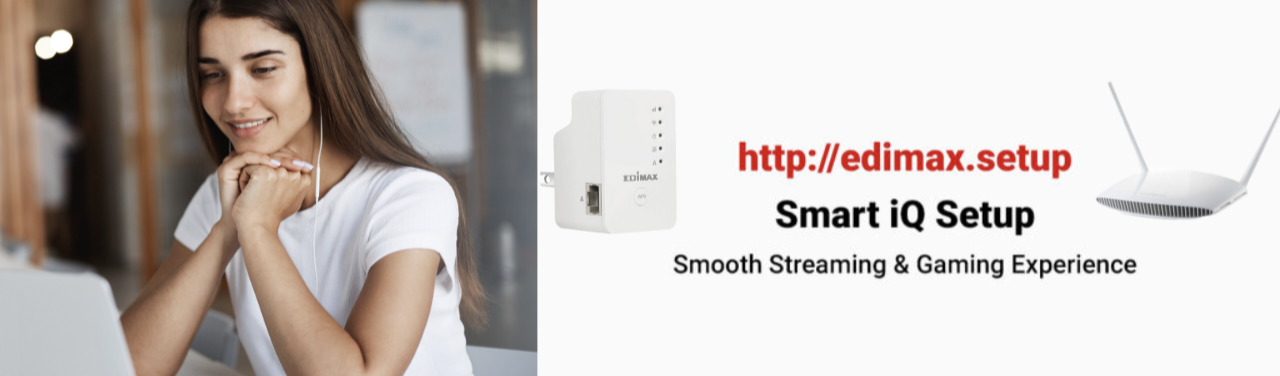
How to use the WPS button on an Edimax extender
An Edimax Wi-Fi extender can connect to a compatible router through Wi-Fi Protected Setup, commonly called WPS. This method avoids typing the wireless password during the initial pairing process. You press the WPS button on the router, press the corresponding button on the extender, and allow the devices a short period to exchange their network details.
The process is useful in Australian homes where the NBN connection may enter through a modem or gateway in a front room, while the living room, upstairs study, garage, or back bedroom needs stronger coverage. WPS is quick when the router and extender support it, although the button may be marked WPS, shown with two curved arrows, or combined with a reset function on some Edimax models.
Check the equipment before pairing
Start by confirming that the Edimax extender is powered on and has completed its startup sequence. Plug it into a wall socket near the main router for the pairing stage, rather than placing it immediately in the area with weak reception. The initial connection needs a reliable signal, and a distance of roughly two to three metres is usually more suitable than the extender’s final location.
Your router may be supplied by an Australian internet provider such as Telstra, Optus, TPG, iiNet, Aussie Broadband, or Superloop. These devices often use a single network name for both the 2.4 GHz and 5 GHz bands, while some older gateways display separate names. The Edimax extender may support one band or both, so check the label and quick-start sheet for its model number before starting.
Look around the router for a physical WPS control. It may be positioned on the rear panel beside the Ethernet ports or on the side of the unit. On the extender, the WPS control is often separate from the power, reset, and Ethernet buttons. Do not hold the reset button unless you intend to erase the current configuration, because a long press can return the Edimax unit to factory settings.
If the extender has previously been installed in another property, resetting it may produce a cleaner result. With the unit switched on, press and hold its reset control for the period specified in the Edimax documentation, then wait for the LEDs to return to their startup state. Model instructions can vary, so the Edimax setup guide is useful for checking the correct indicator meanings and access details.
Pair the extender with the router using WPS
Place the extender close enough to the router for its wireless signal to be strong. Press the WPS button on the router once, then press the WPS button on the Edimax extender within about two minutes. Some routers require a brief press, while others may need the button held for a few seconds until the WPS light begins flashing. Follow the router’s instructions if its WPS control is touch-sensitive or located in a mobile-app menu.
The extender’s wireless or WPS indicator should flash while it searches for the router. During this period, avoid pressing other buttons, disconnecting power, or moving either device. The pairing exchange can take a minute or two. When the connection succeeds, the WPS or signal light may become solid, change colour, or stop flashing. The exact result depends on the Edimax model and the router’s firmware.
Some Edimax extenders copy the router’s wireless name and password, while others create a related network name. A copied network may appear with the same SSID, allowing phones and laptops to move between the router and extender automatically. Other models add a suffix such as “_2GEXT”, “_5GEXT”, or “EXT” to the original name. The extender’s label, manual, or administration page will identify the network to use.
If your router has separate 2.4 GHz and 5 GHz WPS processes, pair the band that gives the best balance of range and speed. The 2.4 GHz band travels more effectively through brick walls and floors, which can matter in older Melbourne terraces or Queenslander-style homes. The 5 GHz band is usually faster at short range but loses strength more quickly through walls and over distance.
Confirm the wireless connection and signal
After WPS finishes, connect a phone, tablet, or laptop to the extender’s wireless network. Stand near the Edimax unit during this first test so the device does not accidentally remain attached to the distant router. Open a few websites or run a normal streaming service to check whether the connection is stable, rather than relying only on the presence of a Wi-Fi icon.
A successful WPS pairing does not necessarily mean the extender is in the best position. A signal indicator with one bar may show that the extender is receiving a weak connection from the router, even if it can transmit a usable network to a nearby device. Move the unit gradually towards the area that needs coverage, keeping it within a solid reception zone from the main router.
The ideal location is usually between the router and the dead zone, not inside the dead zone itself. For example, an extender in a hallway may cover a rear bedroom more effectively than one placed inside that bedroom. In a two-storey Sydney house, positioning it near the stairwell can be more useful than placing it behind a television cabinet upstairs. Thick masonry, foil-backed insulation, metal shelving, microwaves, and large appliances can reduce performance.
Allow a short period for devices to reconnect after moving the extender. A laptop may cling to the original router signal until Wi-Fi is toggled off and on, while a phone may switch networks only after its current connection becomes weak. If the extender uses a separate SSID, choose that network manually during testing and record the result in different rooms.
Remember that an extender repeats an existing wireless connection, so its speed may be lower than the speed measured beside the router. This is normal. The result should be judged by whether it provides dependable coverage for video calls, browsing, smart-home devices, and streaming in the previously weak area. A wired access point can offer higher performance where Ethernet cabling is available.
Review these checks when WPS does not work
WPS can fail because the router has the feature disabled, the button press was outside the pairing window, or the extender was too far away. Some internet gateways also hide WPS behind an administrator setting, particularly after a security update. If the router’s WPS light never starts flashing, sign in to its control panel or consult the provider’s instructions before repeating the process.
Use the checks below before changing advanced wireless settings. Make each adjustment separately, because it is easier to identify the cause when only one condition changes at a time.
- Confirm that both devices are switched on and have finished booting.
- Place the extender within a few metres of the router for the first pairing attempt.
- Press the router’s WPS button first, followed promptly by the Edimax WPS button.
- Check that you are pressing WPS rather than reset on either device.
- Keep the extender away from metal cabinets, cordless-phone bases, and large appliances.
- Restart both units and wait for the normal power lights before trying again.
If the WPS method continues to fail, use the browser-based setup process. Connect to the temporary Edimax network from a phone or computer, open the setup address shown in the manual or on the device label, and select the home router from the available wireless networks. Enter the router’s Wi-Fi password carefully, choose the required band, and save the settings. This method is also preferable when the router does not include a physical WPS button.
The following details commonly explain a failed manual setup or an apparently successful pairing that provides no internet access:
- A Wi-Fi password is case-sensitive, including spaces and punctuation.
- The extender may be connected to a guest network that blocks local device access.
- A hidden SSID may require the network name to be entered manually.
- The router may be using access control or MAC filtering.
- The extender may need a firmware update for compatibility with a newer gateway.
- A double-press or very long WPS press may activate a different function.
After changing settings through the browser, wait for the extender to reboot before reconnecting. If the Edimax unit creates a new SSID, the phone or computer may disconnect from the setup network and need to join the final network instead. Check the router’s connected-device list if you need to confirm that the extender has received an address.
Finish the installation and keep the network secure
Once the extender has paired successfully, choose its permanent location and check coverage at normal usage points. Test near the back patio, home office, upstairs bedrooms, or any area where an NBN-connected device regularly struggles. In regional areas such as parts of regional Victoria or New South Wales, house layouts and weatherboard walls can create different coverage patterns from those found in a compact Brisbane apartment, so placement should be based on an actual signal test.
Keep the extender in an open, elevated position where possible. A shelf in a hallway is generally better than the floor behind a sofa. Avoid placing it inside a cupboard or beside a large metal object. If the extender has adjustable aerials, keep them in the orientation recommended by Edimax rather than hiding them behind furniture.
Security settings deserve attention after installation. WPS is convenient during pairing, but leaving router-side WPS permanently active may increase the attack surface on some older devices. If the router allows it, disable WPS after the extender is configured, especially if the feature is not needed for other devices. Maintain WPA2 or WPA3 encryption where supported, use a strong unique wireless password, and change any default administrator password on the extender.
An extender is usually managed through its web interface rather than through the router’s settings. Save the administrator details in a password manager and note the final network name. If the extender later loses its connection, inspect its status page before resetting it. The problem may be a changed router password, a replaced NBN gateway, a channel change, or a moved device rather than a hardware fault.
When the installation is complete, check that the extender’s indicator shows a healthy link to the router, connect a device in the formerly weak area, and test both speed and stability. The practical rule is simple: pair the Edimax extender close to the router, move it only after the link is confirmed, and place it halfway between the router and the area that needs reliable Wi-Fi.