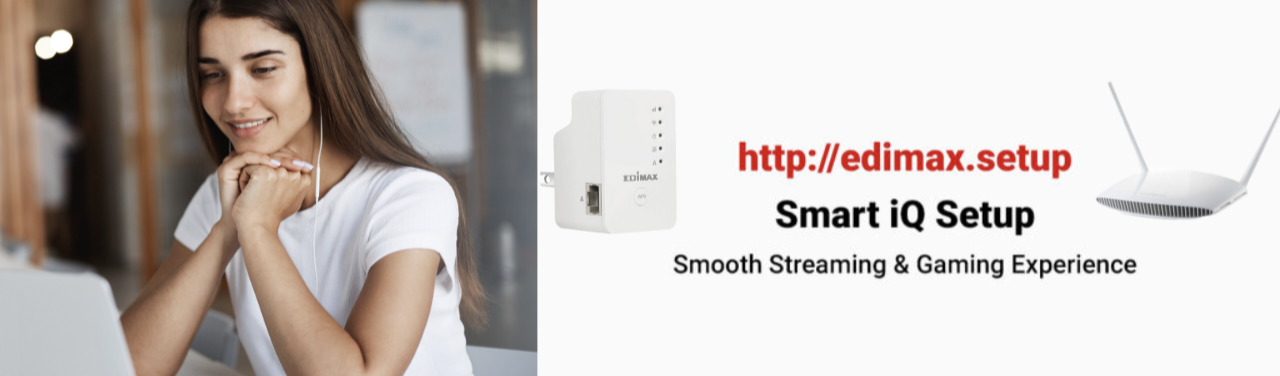
How to Set Up an Edimax Extender via Browser-Based Configuration
An Edimax Wi-Fi extender can improve coverage in rooms where a router signal becomes weak or unreliable. Browser-based installation is useful when WPS pairing is unavailable, fails repeatedly, or does not provide enough control over the wireless settings. The process uses a phone, tablet, or computer to connect to the extender and open its web-based setup interface.
Before starting, place the extender close to the main router and have the router’s wireless network name and password available. A temporary connection to the extender is created first. After you select the home network and save the configuration, the extender restarts and can be moved to a better location.
The exact menu names may vary between Edimax models and firmware versions, but the installation sequence is broadly similar. You will identify the extender’s default network, access its setup page or local IP address, scan for available networks, and configure the extended wireless network.
Prepare the extender and client device
Unpack the extender, connect its antennas if the model uses removable antennas, and plug it into a power outlet near the router. Avoid beginning in the farthest room because the extender needs a stable signal during configuration. Indicator lights may take a minute or two to settle after power-up.
Use a laptop, desktop computer, tablet, or smartphone for setup. Turn off mobile data temporarily if you are using a phone, since cellular data can prevent the browser from communicating with the local configuration page. If possible, keep the device within a few feet of the extender until installation is complete.
Check the label on the extender or its quick-start card for the default wireless network name, sometimes called an SSID. Edimax devices may broadcast a name associated with the model, while some units use a generic setup network. The label can also show a default web address, username, or password.
The main router should be operating normally before you begin. Confirm that another device can connect to the router and browse the internet. If the router recently changed its Wi-Fi password, use the current password during the extender installation; an older saved password will cause the connection test to fail.
Connect to the Edimax setup network
Open the Wi-Fi settings on the computer or mobile device and look for the temporary network broadcast by the Edimax extender. Select it and wait until the device reports that it is connected. Internet access may show as unavailable at this stage, which is expected because the extender has not yet been linked to the router.
Open a browser and enter the setup address printed in the documentation. Depending on the model, this may be an Edimax setup domain, a private address such as 192.168.2.1, or another local gateway. Enter the address in the browser’s address bar rather than a search field. If the page does not load, disconnect from other Wi-Fi networks and try again.
For model-specific directions, the Edimax setup guide can help identify the correct access address and connection sequence. Avoid adding “www” or changing the address unless the device documentation specifically instructs you to do so. A local setup page normally opens without requiring a working internet connection.
The first screen may request an administrator password or ask you to create one. This password controls access to the extender’s settings and is separate from the password used by the main Wi-Fi network. Choose a unique password and record it in a secure place. If a login screen appears with factory credentials, use the values supplied for that model.
Run the wireless network scan
After signing in, choose the option for extender, repeater, range extender, or wireless extension mode. Some Edimax interfaces present a short wizard, while others display a list of operating modes before showing the network scan. Select the mode that receives Wi-Fi from the router and rebroadcasts it to nearby devices.
Start the scan and wait for nearby wireless networks to appear. Locate your home router’s SSID by checking the network name and, when available, the signal strength or wireless channel. If you see separate 2.4 GHz and 5 GHz entries, select the band that matches your coverage needs and the capabilities of the extender.
A 2.4 GHz connection usually travels farther and passes through walls more effectively, although it may be slower or more exposed to interference. A 5 GHz connection can deliver higher speeds at short range but loses strength more quickly. Dual-band Edimax extenders may let you configure both bands, creating a wider choice for client devices.
Enter the router’s wireless password carefully. Passwords are case-sensitive, and an extra space can prevent authentication. If the router uses WPA2 or WPA3 security, leave the extender’s security selection on the recommended compatible setting unless the wizard requires a manual choice. Do not choose an open network for a private home connection.
Configure the extended wireless network
The setup wizard may offer two naming choices. The extender can copy the router’s SSID, which allows devices to see a familiar network name, or it can use a separate name such as the router’s SSID with an added suffix. A distinct name makes it easier to tell whether a device is connected to the router or the extender while testing coverage.
When a separate SSID is available, use a short, recognizable name without personal details. The security password can usually match the router’s password, which simplifies reconnection, but the administrator password for the extender should remain different. Some Edimax models automatically copy the security settings from the source network.
Review the summary page before applying the settings. Confirm the selected router network, wireless band, extended SSID, and password. If the summary displays masked characters, take a moment to verify that the source network was selected correctly. Applying the configuration normally causes the extender to restart, so the temporary setup network may disappear.
The restart can take several minutes. Do not unplug the extender or close the browser immediately after clicking Apply, Save, or Finish. The status lights should indicate a connection to the router, although the meaning of each light differs by model. A weak-signal warning means the extender may need to be moved closer to the router after the initial setup.
| Setup item | What to check | Why it matters |
|---|---|---|
| Temporary Wi-Fi network | The client device is connected to the Edimax SSID | The browser must communicate with the extender locally |
| Setup address | The documented web address or private IP is entered correctly | A wrong address opens a search result or an unrelated device |
| Operating mode | Repeater, extender, or range extender mode is selected | Other modes may create a separate access point or bridge |
| Source network | The correct home router SSID is selected | The extender must connect to the intended wireless network |
| Wireless password | Every character matches the router password | A mismatch prevents the extender from joining the router |
| Extended SSID | The name is recognizable and security is enabled | Clear naming makes testing and future troubleshooting easier |
| Placement | The extender receives a reasonable router signal | A weak source signal limits the performance of rebroadcast Wi-Fi |
Move the extender and test coverage
Once the extender has restarted, unplug it and move it to a location between the router and the area with poor reception. It should still receive a strong enough signal from the router to repeat the connection. Placing it inside the dead zone often produces disappointing results because the extender cannot repeat a signal it cannot reliably receive.
Keep the unit away from thick concrete, metal cabinets, large appliances, and sources of radio interference. Microwaves, cordless phone bases, Bluetooth hubs, and crowded neighboring networks can affect wireless performance. A central hallway, open shelf, or elevated outlet is often more effective than a position behind furniture.
After plugging it in at the new location, wait for the status indicator to show a router connection. Join the extended SSID from a phone or laptop and test several websites. Walk around the problem area while checking whether the device remains connected. Run a speed test near the router and in the improved area to compare stability and throughput.
If the extender’s signal indicator shows weak reception, move it one room closer to the router. If the connection is stable but speeds are much lower than expected, test the other wireless band or reduce interference. Range extension improves reach, but the repeated connection shares wireless airtime with the router and client devices, so speeds may be lower than a direct router connection.
Troubleshoot browser setup problems
A blank page or timeout often means the device is no longer connected to the extender’s temporary network. Check the Wi-Fi menu before trying another setup address. Disconnect from a VPN, disable automatic switching to mobile data, and temporarily forget nearby networks that may cause the device to reconnect to the router.
If the default address does not work, confirm that the extender is powered on and has completed its startup cycle. Try a different browser or private browsing window, and enter the address without a search prefix. A wired computer connected to an Ethernet port may provide a more stable setup path on models that support wired administration.
A failed scan can result from distance, wireless interference, or a hidden router SSID. Move the extender closer to the router and run the scan again. If the router network is hidden, look for a manual entry option and type the exact SSID. Verify whether the router is using a band supported by the extender.
When the extender refuses the router password, re-enter it manually instead of relying on a saved browser value. Check the router’s security mode and access-control settings as well. MAC filtering, client isolation, and unusual enterprise authentication can block a home extender. Temporarily simplifying those settings may help identify the cause, but restore suitable security after testing.
Protect and maintain the configuration
Change the default administrator password if the setup wizard did not require a new one. This credential protects the management interface, so it should not be shared as casually as the Wi-Fi password. Keep the extender’s firmware current when the manufacturer provides a compatible update, and use a wired connection for firmware installation when the model supports it.
Record the extended SSID, administrator credentials, and the final placement. This information saves time if the extender is reset or the router’s wireless password changes. A change to the router SSID, security mode, or password usually requires the extender to be configured again because its stored connection details are no longer valid.
Use the management page to review connected clients, signal strength, operating mode, and firmware information. Some Edimax interfaces also provide channel selection or scheduling options. Make changes one at a time and test the wireless connection after each change so that a performance improvement or new problem can be identified clearly.
Reset the extender only when ordinary troubleshooting does not resolve the issue or when the previous configuration is unknown. Press and hold the reset control for the period specified by the model’s instructions. A reset erases the saved router connection and returns the device to its factory setup network, after which the browser-based installation must be performed again.
Practical setup recommendations
A careful installation usually takes only a few minutes, but the quality of the final connection depends on preparation and placement. Keep the source router and extender on compatible security settings, give the extended network a clear identity, and test from the rooms where coverage matters most.
Use these practices during and after configuration:
- Begin with the extender close to the router, then relocate it after the wireless link is confirmed.
- Write down the router SSID, Wi-Fi password, setup address, and new administrator password before making changes.
- Choose a separate extended network name if you need to identify the active access point during testing.
- Prefer a 2.4 GHz connection for distance and a 5 GHz connection when short-range speed is the priority.
- Update firmware only through the documented Edimax management process and avoid interrupting a restart.
A browser-based setup is complete when the extender shows a stable link to the router, client devices can join the extended network, and internet access remains reliable in the previously weak area. If performance is poor, adjust placement before changing advanced settings. A better signal between the router and extender generally has a greater effect than repeatedly modifying the network name.
Follow the model-specific setup instructions, configure the wireless connection carefully, and test the result from several locations in the home. With the correct placement and secure credentials, an Edimax extender can provide a dependable way to broaden Wi-Fi coverage without replacing the main router.