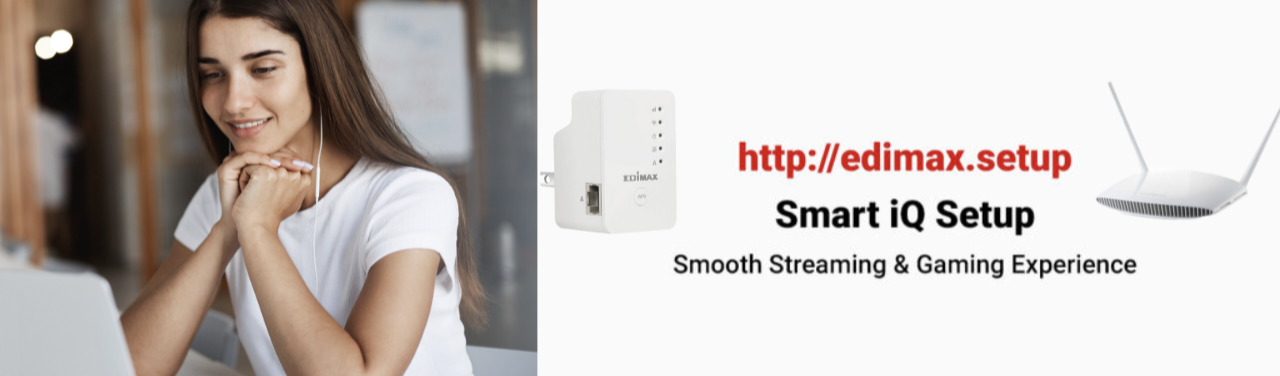
How to Set Up an Edimax Extender Using the WPS Button
An Edimax Wi-Fi extender can improve coverage in rooms where the signal from your main router becomes weak, such as a back bedroom, upstairs study, garage, or outdoor entertaining area. The WPS method is usually the quickest way to pair the extender with an existing wireless network because the devices exchange security details without requiring you to type the Wi-Fi password.
The process is broadly similar across many Edimax range extenders, although button names, indicator lights, and default network names can vary by model. The instructions below suit Australian home networks using NBN connections, 4G or 5G home internet, or a conventional modem-router supplied by an internet provider such as Telstra, Optus, TPG, or Aussie Broadband.
Check The Equipment And Location
Before starting, place the Edimax extender in the same room as the main router. It needs a strong signal during the initial pairing process. Plugging it into a power socket beside the router makes setup more reliable than attempting WPS from the far end of the house, where walls, metal appliances, and other networks may interfere.
Check the labels on the devices. Your main router will have a WPS button, often marked “WPS” or shown with two curved arrows. The Edimax unit will have a matching WPS button, which may be on the side, front, or underneath the casing. Confirm that the extender is switched on and wait until its power light remains steady.
A WPS connection does not require an internet connection to complete the wireless pairing, but the router itself must be operating normally. If websites will not load on a phone or laptop connected to the router, resolve that issue first. For an NBN service, the NBN connection box and router may both need to be powered and connected, depending on the home network arrangement.
Start The WPS Pairing Process
Press the WPS button on the main router first. On some models, you need to hold it for one or two seconds; on others, a short press is sufficient. The router’s WPS indicator should begin flashing, showing that it is accepting a wireless device.
Within two minutes, press the WPS button on the Edimax extender. Avoid holding it down for too long unless the model’s instructions specifically require that action. The extender should begin communicating with the router, and its wireless or WPS light may flash while the devices negotiate the connection.
Allow several minutes for the pairing to finish. A steady signal indicator generally means the extender has connected successfully. If the light turns red, amber, or remains off, the devices may be too far apart, the WPS window may have expired, or WPS may be disabled in the router settings.
Some routers supplied by Australian internet providers use a combined modem-router interface with WPS hidden in the administration page. If there is no physical button, sign in to the router’s local settings and look for Wireless, Wi-Fi, or WPS options. Do not press the reset button by mistake, as a reset can remove the existing internet and wireless configuration.
Move And Test The Extender
After successful pairing, unplug the Edimax extender and move it to a position between the router and the area with poor coverage. It should still receive a reasonably strong signal from the router. An extender placed inside a dead zone has little useful data to repeat, even if the target room is nearby.
A hallway, landing, or central room is often better than a cupboard, behind a television, or beside a microwave oven. In a two-storey Sydney or Melbourne apartment, the best point may be near the stairwell or an open central corridor. In larger Queensland or Western Australian homes, thick masonry walls and longer distances can make placement more important than the number of wireless bars shown on a phone.
Wait for the extender to restart and check its signal light. Then connect a phone or laptop in the previously weak area and test several activities, such as opening a news site, making a video call, or streaming a short clip. Run the test at different times if possible, because evening congestion from neighbouring networks can change performance.
If the signal is still unreliable, move the extender one room closer to the router and test again. The goal is a stable connection rather than the greatest possible distance. A wired access point may be a better option for a large property, home office, or high-bandwidth media setup because it avoids the performance loss associated with repeating wireless traffic.
Prepare Devices And Avoid Common Errors
A few simple checks make WPS setup smoother and help distinguish a pairing problem from a coverage problem.
Before pressing either button, review these practical points:
- Keep the router and extender within a few metres of each other during initial setup.
- Confirm that both devices are powered and that their wireless functions are enabled.
- Disconnect from mobile data temporarily when testing the extender with a smartphone.
- Record the router’s Wi-Fi name and password in case browser-based setup becomes necessary.
- Keep the extender away from large metal objects, cordless phone bases, and microwave ovens.
- Read the Edimax model label because button locations and light meanings differ between units.
WPS is convenient, but it is not always available or advisable. Some newer routers disable WPS because a permanently enabled push-button setup feature can increase the attack surface of a network. If the router rejects the pairing, use the Edimax web setup method instead. The extender may broadcast a temporary network, allowing you to open its local setup address and select the home network manually.
When browser configuration is required, connect to the extender’s temporary Wi-Fi network or use an Ethernet cable if the model provides a port. Open the local address printed in the quick-start guide, choose the existing wireless network, enter its password carefully, and save the settings. A separate guide to secure home-lab setup can also help when the Edimax device is being used as part of a more advanced household network.
The following signs usually indicate the next step to take:
- Power light off: Try another wall socket and check the power adapter connection.
- WPS light never flashes: Press the button briefly, confirm the correct button, or enable WPS in the router.
- Pairing times out: Move the devices closer and repeat the sequence within the allowed time.
- Extender connects but has no internet: Check whether it joined the correct home network and whether the router has internet access.
- Weak performance after relocation: Place the extender nearer to the router, not directly inside the poor-coverage area.
- Devices keep switching networks: Review the extender’s wireless name and consider using a consistent network name only if roaming works properly on both devices.
Secure And Confirm The New Connection
Once the extender is online, connect a laptop or phone to its wireless network and open the Edimax settings page if you need to review its configuration. Depending on the model, the repeated network may use the same name as the router or a variation such as the original name with an added suffix. Identify the correct network before changing settings.
Change the extender’s administration password if the device uses a common default credential. This password controls the settings page and is separate from the Wi-Fi password used by household devices. Keep firmware updated where the manufacturer provides a suitable release, and disable remote administration unless it is genuinely needed.
Use WPA2-Personal or WPA3-Personal when available, with a strong wireless passphrase. Avoid WEP and outdated open networks. If the extender offers a guest network, use it for visitors and smart-home equipment that does not need access to computers, printers, or network storage. Australian households increasingly use internet-connected cameras, speakers, lights, and appliances, so separating less-trusted devices can reduce unnecessary access to personal systems.
Privacy and security settings deserve attention even in a small home. Australia’s Privacy Act applies to many organisations handling personal information, while private households generally have different obligations. Regardless of the legal position, a secure password, current firmware, and a separate guest network are sensible protections for personal data, online banking, work files, and connected cameras.
A final test should cover both coverage and stability. Walk through the target area with a phone, check the signal, and try a normal activity. Then test a laptop or television if those devices will use the extender regularly. The most useful result is a consistent connection that meets the needs of the room, rather than a maximum speed figure measured immediately beside the extender.
Compare Setup Choices And Confirm Results
WPS is usually the fastest approach, but it is not the only way to install an Edimax extender. Manual browser setup is useful when the router has no WPS button, when WPS has been disabled, or when you want to choose a specific band or wireless name. An Ethernet-connected access point can deliver stronger and more consistent performance when network cabling is available.
Australian homes have varied layouts and network conditions. A compact flat in Brisbane may need only one carefully positioned extender, while a sprawling regional property may need multiple access points or a mesh system. Concrete walls, foil-backed insulation, neighbouring Wi-Fi networks, and household usage during the evening can all affect results. ACMA rules govern wireless devices and radio operation in Australia, so use the supplied equipment and its approved settings rather than attempting unauthorised transmission changes.
| Setup method | Best use | Main advantage | Limitation |
|---|---|---|---|
| WPS pairing | Standard home router with an active WPS button | Fast installation without typing the Wi-Fi password | May be disabled or unavailable |
| Browser-based setup | Routers without usable WPS or users needing detailed control | Allows network, band, and security choices | Requires local login and manual configuration |
| Ethernet access point | Homes with network cabling or demanding users | Stronger backhaul and generally better performance | Requires cable routing and a suitable location |
| Mesh Wi-Fi system | Larger homes needing coordinated roaming | Central management and smoother movement between nodes | Higher cost and possible compatibility limits |
After moving the extender, wait for its status light to settle before judging the connection. Give each location a fair test, because a device may need a minute or two to reconnect after power-up. If the extender repeatedly drops out, return it closer to the router and inspect for interference rather than immediately resetting all equipment.
The key result is a dependable path between the router, extender, and devices in the weak-signal area. Pressing WPS starts the process, but correct placement, current security settings, and a realistic performance check determine whether the installation is genuinely useful. Remember that the best Edimax extender setup is the one that keeps a strong connection between the router and extender while delivering stable coverage where people actually use the network.